
Rabies is one of those diseases most dog owners prefer not to think about. Because vaccinations are widely available, many people assume it’s no longer a real threat. However, if a dog is unvaccinated or exposed to wildlife carrying the virus, rabies can still occur—and when symptoms begin, the disease is almost always fatal.
For this reason, recognizing the warning signs early is incredibly important. Understanding how rabies affects a dog’s behavior and body can help pet owners react quickly and protect both their pets and themselves.
Understanding Rabies in Dogs
Rabies is a viral disease that attacks the nervous system. It spreads through saliva, most often through the bite of an infected animal such as a raccoon, bat, fox, or another dog. Once the virus enters the body, it travels along nerves toward the brain and spinal cord.
This process can take weeks or sometimes months. During the early stages, a dog may appear normal. But once symptoms appear, the illness progresses quickly and becomes life‑threatening.
Because of the seriousness of rabies, learning to recognize the typical warning signs can make a critical difference.
Sudden and Dramatic Behavior Changes
When Personality Shifts Quickly
One of the earliest signs of rabies in dogs is a sudden change in behavior. Dogs tend to have predictable personalities, so when a calm dog suddenly becomes restless or anxious, it can signal that something is wrong.
A normally quiet dog may become unusually energetic, nervous, or easily startled. On the other hand, an energetic dog might suddenly appear withdrawn, tired, or uninterested in normal activities.
These behavioral shifts often happen quickly rather than gradually. Owners may notice that their dog seems confused, disoriented, or emotionally unstable compared to its usual temperament.
Why Rabies Affects Behavior
Rabies targets the brain and central nervous system. As the virus spreads through these areas, it interferes with normal brain function, which explains why mood and behavior can change so dramatically.
While behavioral changes can occur with other illnesses as well, sudden and severe personality shifts should always be taken seriously.
Difficulty Swallowing
Problems with Drinking or Eating
As rabies progresses, the virus begins affecting the muscles involved in swallowing. A dog may struggle to drink water, chew food, or swallow normally.
Owners might notice their dog attempting to swallow repeatedly, gagging, or showing hesitation when approaching food or water bowls. In some cases, dogs may seem thirsty but unable to drink comfortably.
A Mid‑Stage Symptom
Difficulty swallowing typically appears after the disease has already begun affecting the nervous system. It often occurs alongside other symptoms such as excessive drooling or behavioral changes.
Because this symptom can also appear in other medical conditions, it’s important not to assume the cause—but it should always prompt a veterinary visit.
Excessive Drooling or Foaming at the Mouth
Why Drooling Happens
One of the most widely recognized signs of rabies is foaming at the mouth. In reality, this symptom is caused by severe drooling rather than actual foam production.
The drooling happens because the dog loses control over the muscles used for swallowing. When saliva cannot be swallowed properly, it begins to accumulate and drip from the mouth.
When Drooling Becomes Concerning
While some drooling is normal in certain dog breeds, sudden and extreme drooling is a different situation entirely. If it appears along with other symptoms such as trouble swallowing or behavioral changes, it may indicate a serious neurological issue.
This stage of rabies can be frightening to witness because the dog may appear distressed, confused, or physically uncomfortable.
Seizures or Paralysis
Loss of Muscle Control
As the disease progresses further, rabies can interfere with the nervous system’s ability to control muscles. This can lead to seizures, tremors, or partial paralysis.
Seizures may involve sudden shaking, muscle stiffness, or uncontrolled movements. Paralysis often begins in the hind legs and may gradually spread to other parts of the body.
Advanced Stage Symptoms
Both seizures and paralysis usually occur during the later stages of rabies. At this point, the virus has already caused significant neurological damage.
Dogs experiencing these symptoms often become extremely weak and may eventually lose consciousness. Immediate veterinary attention is critical whenever seizures or sudden paralysis appear.
Fear of Water (Hydrophobia)
Why Dogs Avoid Water
Hydrophobia—commonly known as fear of water—is another symptom frequently associated with rabies. Despite the name, dogs are not actually afraid of water itself.
Instead, the fear comes from the discomfort caused by swallowing. Because drinking water triggers painful throat spasms, dogs begin to avoid water completely.
The Risks of Dehydration
When dogs stop drinking water, dehydration can occur quickly. Combined with the neurological effects of rabies, this can cause rapid deterioration in their health.
Owners might notice their dog backing away from water bowls, whining when attempting to drink, or refusing liquids entirely.
Increased Aggression
Uncharacteristic Hostility
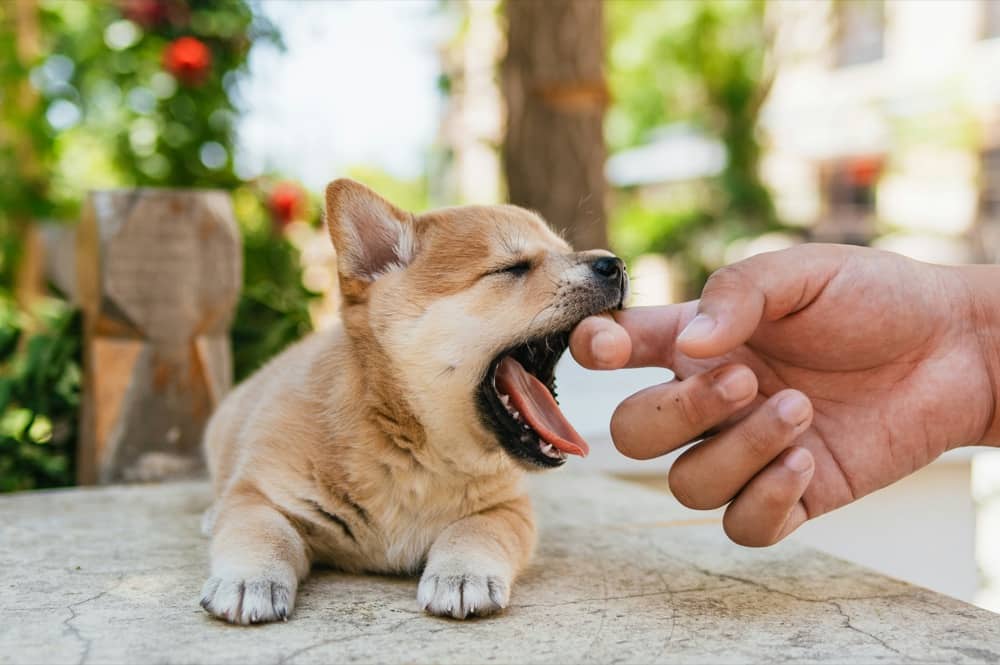
Rabies can also cause extreme aggression. Dogs that are normally friendly may begin snapping, growling, or attempting to bite people or other animals.
This behavior is often driven by confusion, fear, and neurological damage caused by the virus. The dog may not recognize familiar people or may react unpredictably to normal situations.
Safety Concerns
Aggression in a dog suspected of having rabies is particularly dangerous because the virus spreads through saliva. Any bite could potentially transmit the disease.
For this reason, owners should avoid direct contact and seek professional help immediately if a dog begins showing aggressive behavior alongside other symptoms.
What to Do If You Suspect Rabies
Rabies is considered a medical emergency. If your dog displays multiple symptoms associated with the disease—especially after contact with wildlife or an unknown animal—you should contact a veterinarian right away.
Do not attempt to handle the dog unnecessarily, particularly if it is behaving aggressively or appears disoriented. Veterinary professionals are trained to handle these situations safely.
Early veterinary evaluation is essential, even if rabies ultimately turns out not to be the cause of the symptoms.
The Importance of Rabies Vaccination
The most effective way to protect dogs from rabies is vaccination. Rabies vaccines are widely available and are considered a core vaccine for dogs in many countries.
Keeping your dog’s vaccinations up to date not only protects your pet but also helps prevent the spread of rabies to other animals and humans.
Regular veterinary visits, vaccination schedules, and avoiding contact with wildlife are all essential parts of responsible pet ownership.
Final Thoughts
Rabies is a devastating disease, but it is also one of the most preventable. By understanding the warning signs—such as sudden behavioral changes, swallowing difficulties, excessive drooling, seizures, hydrophobia, and aggression—pet owners can respond quickly if something seems wrong.
If you ever suspect your dog may have been exposed to rabies or is showing unusual neurological symptoms, contacting a veterinarian immediately is the safest course of action.
Staying informed and maintaining routine vaccinations remain the best defenses against this dangerous illness.