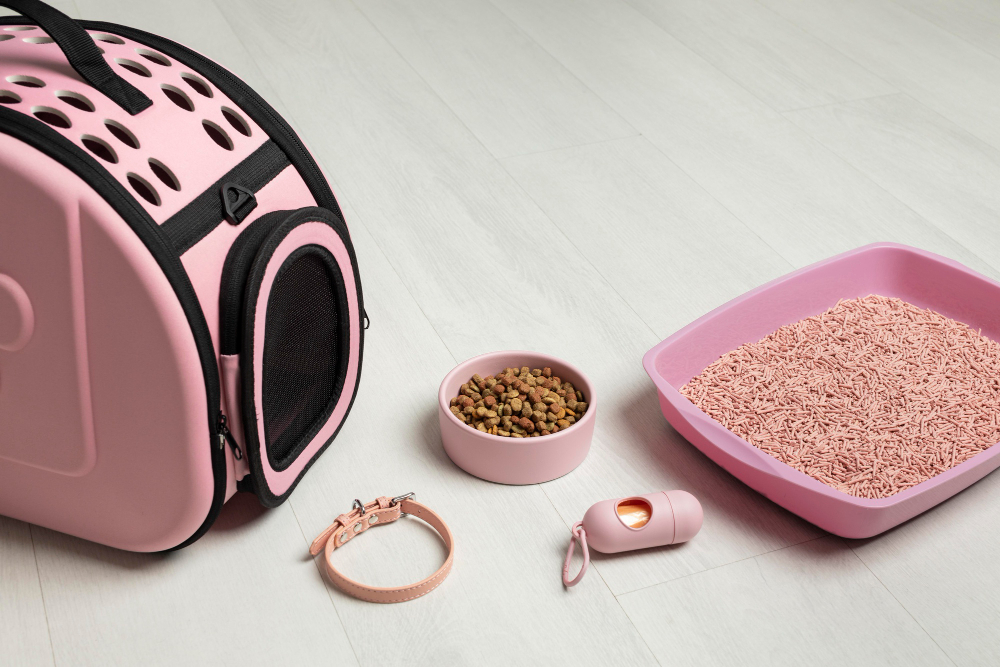
Elevated bowls lift a pet’s food or water off the floor. For some cats and dogs, that small change can make meals cleaner, calmer, and more comfortable. For others, it does not add much. In a few cases, especially with large deep-chested dogs at risk for bloat, a raised feeder may be a poor fit unless your veterinarian recommends it.
The goal is not to buy the tallest feeder you can find. The goal is to match the bowl height, shape, and stability to the pet in front of you.
1. Less bending for stiff or senior pets
Older dogs and cats may have a harder time lowering their head to a floor-level bowl. Arthritis, neck soreness, back stiffness, and general weakness can all make mealtime less comfortable. A modest lift may let them eat in a more natural posture.
This is most useful when a pet still wants food but seems hesitant to bend, shifts weight while eating, or walks away after only a few bites. A raised bowl will not treat pain, so sudden appetite changes or obvious discomfort should be checked by a veterinarian.
2. Help for certain swallowing or regurgitation problems
Some pets regurgitate food soon after eating. Regurgitation is usually passive and often brings up undigested food, while vomiting is more active and may involve retching or nausea.
In specific medical situations, such as megaesophagus in dogs, a veterinarian may recommend elevated feeding because gravity can help food move down the esophagus. Those pets need a tailored plan. Do not use a raised bowl as a substitute for a diagnosis if your pet has repeated vomiting, regurgitation, coughing after meals, weight loss, or poor appetite.
3. A cleaner meal area
Pets that push bowls across the floor, splash water, or drop food everywhere may make less mess with a sturdy raised stand. The benefit usually comes from stability as much as height, so choose a feeder that does not wobble, rattle, slide, or tip when bumped.
4. Easier reach for small pets
Tiny dogs, short-legged breeds, kittens, and some compact cats may struggle with oversized dishes or deep bowl holders. A low raised bowl can make the angle easier, especially when the bowl itself is shallow.
Height matters here. Your pet should not have to stretch upward. If the head is lifted high or the front legs look braced, the feeder is too tall.
5. Better bowl shape for cats
Many cats prefer wide, shallow dishes because their whiskers are sensitive. Some cats paw food onto the floor, hesitate at the bowl, or seem annoyed by narrow dishes. The idea of whisker fatigue is still debated, but the practical fix is simple: avoid deep, tight bowls that press against the sides of the face.
An elevated cat bowl can help if it also has a wide, shallow design. Height alone is not the main feature for most cats.
6. More manageable water stations
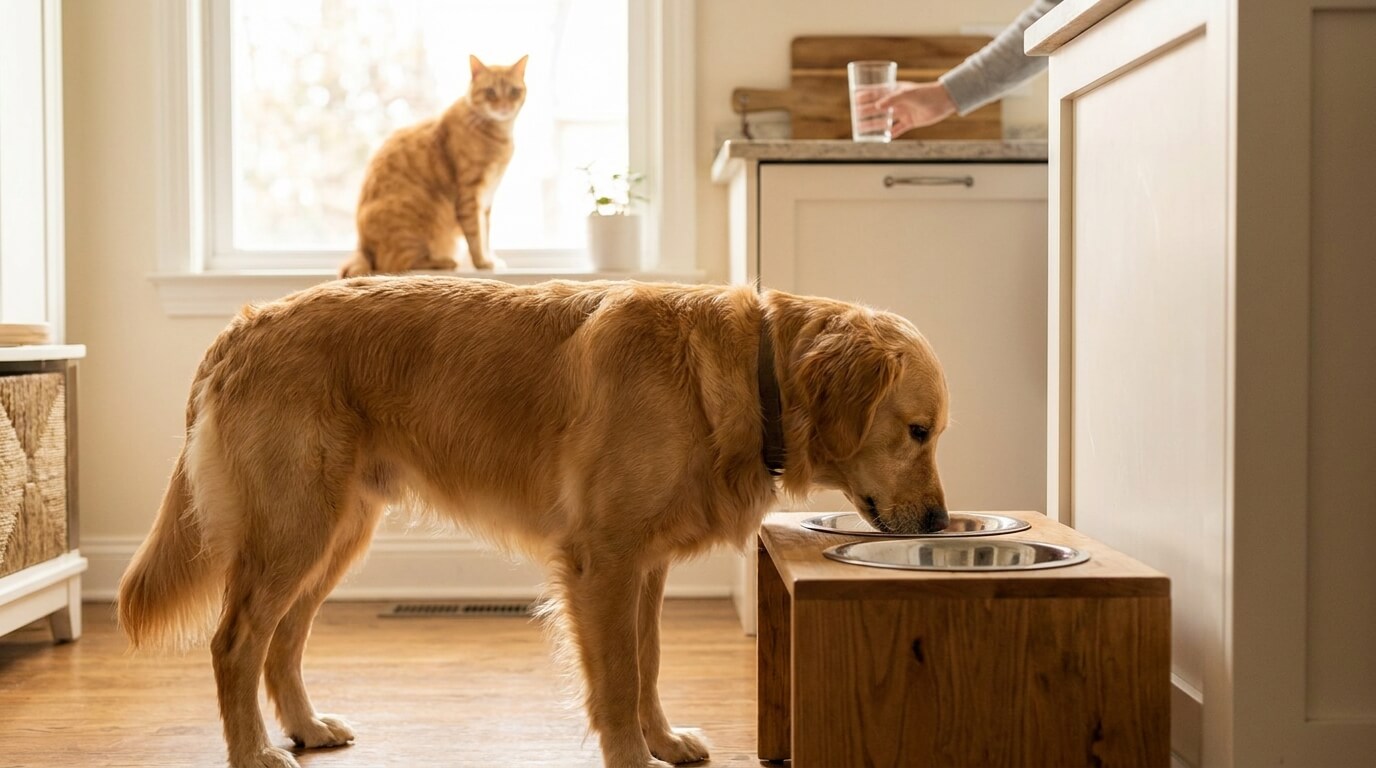
Raised water bowls can help pets that splash, step into bowls, or knock them over. They can also be easier for owners to see, refill, and clean. Fresh water still matters more than bowl height, so wash bowls often and replace stale water daily.
7. A calmer feeding routine
A dedicated raised feeder can make the meal area feel more consistent, especially in homes with multiple pets. For cats, separate feeding spots may matter more than the feeder itself. For dogs that gulp food, an elevated bowl is usually less helpful than smaller meals, a slow-feeder bowl, or a puzzle feeder.
8. Easier handling for owners
Pet care has to work for the human, too. Owners with back pain, limited mobility, or balance problems may find it easier to pick up and wash bowls that sit a little higher. Just make sure convenience does not override fit.
9. Room to adjust as pets age
Adjustable feeders are useful for growing pets and animals whose needs change over time. Check the feeder occasionally. Your pet should stand normally, keep the neck relaxed, and reach food without crouching deeply or stretching.
10. A chance to improve the whole feeding setup
The biggest benefit of considering an elevated bowl is that it makes you pay attention to how your pet eats. Does your dog inhale meals? Does your cat pull kibble onto the floor? Does your senior pet avoid the bowl? Those details can point toward a better setup or a veterinary visit.
When elevated bowls may be risky
Raised bowls are not risk-free for every dog. Gastric dilatation-volvulus, often called bloat or GDV, is a life-threatening emergency in which the stomach fills with gas and may twist. Large, deep-chested dogs are at higher risk, and veterinary sources list raised food bowls among possible risk factors.
If you have a large or deep-chested dog, ask your veterinarian before switching to an elevated feeder. Warning signs of bloat can include a swollen or painful belly, unproductive retching, drooling, restlessness, weakness, pale gums, or collapse. Those signs need emergency care.
Cats and small dogs are less associated with GDV, but they still need veterinary attention for persistent vomiting, repeated regurgitation, coughing after meals, appetite loss, weight loss, or sudden behavior changes around food.
How to choose the right height
A raised bowl should sit low enough that your pet can eat naturally. In general, the bowl rim should be around the lower chest area, not near the chin. Start with a small lift, and stop using the feeder if your pet looks awkward, backs away, gulps air, coughs, or seems more hesitant than before.
The bottom line
Elevated bowls can help some cats and dogs, especially pets that are stiff, messy, senior, or eating under veterinarian-guided instructions. They are not a universal upgrade. Use extra caution with deep-chested dogs, and contact a veterinarian when vomiting, regurgitation, appetite changes, or other symptoms are persistent, severe, unclear, or getting worse.