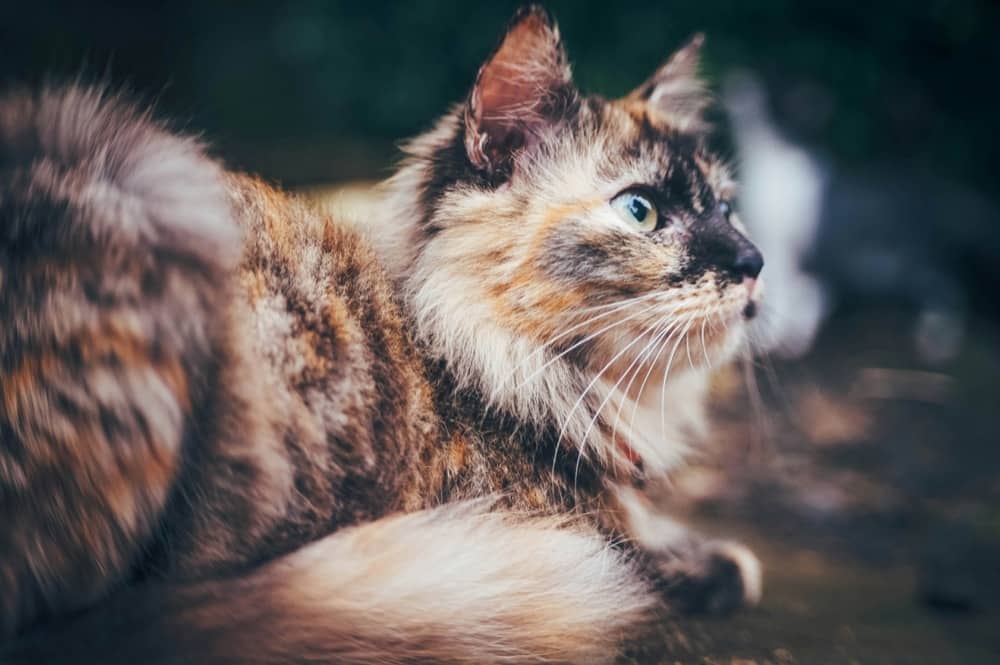


If your cat just stole an olive off your plate, the first thing to know is that a plain, pitted olive is not toxic. One bite is very unlikely to hurt a healthy adult cat. So take a breath — you’re not dealing with an emergency in most cases.
But “not toxic” and “a good idea” are two different things. Olives come with a few real risks that depend entirely on which olive your cat ate and how much. Below is what actually matters, ranked by how likely it is to cause a problem.
The Short Answer
Cats can technically eat a small amount of plain, pitted olive flesh without harm. Olives are not on the list of foods that poison cats the way onions, garlic, or lilies do.
The problem is that olives offer your cat almost nothing nutritionally, and several common versions carry risks worth knowing about. A single plain olive as a rare accident is fine. Olives as a regular treat are not a good plan.
Why Cats Are So Drawn to Olives
If your cat reacts to an olive the way it reacts to catnip — rubbing, drooling, rolling, that glazed-over look — there’s a real chemical reason.
Green olives contain compounds structurally similar to nepetalactone, the active ingredient in catnip. Your cat isn’t after the nutrition. It’s responding to a scent that hits the same receptors catnip does. That’s why some cats completely ignore olives while others act like they’ve found treasure — the same roughly two-thirds of cats that respond to catnip tend to respond to olives.
This matters for one practical reason: a cat that loves olives will hunt them down. Store them where your cat can’t reach, and don’t assume “out of sight” is enough if the jar is on an open counter.
The Real Risks, Ranked
Salt and brine
This is the biggest everyday concern. Most olives you buy are packed in brine — a heavy salt solution — or seasoned after packing. Cats are small, and their sodium tolerance is far lower than ours.
A single olive won’t cause salt poisoning, but repeated salty treats can add up, especially for cats with heart or kidney conditions where sodium is already a concern. Rinsing an olive helps a little, but it doesn’t remove salt that’s soaked into the flesh.
The pit
Whole olives with the pit in are the version most likely to send you to the vet. An olive pit is a genuine choking hazard, and if swallowed, it’s large and hard enough to cause an intestinal blockage in a small cat. A blockage is serious and can require surgery.
Never give a cat a whole, un-pitted olive. If your cat swallowed one, this is the scenario worth watching closely (see below).
Stuffed, marinated, and flavored olives
This is where “harmless olive” turns into “call the vet.” Olives are often stuffed or marinated with things that are toxic to cats:
- Garlic and onion — both damage cat red blood cells and are dangerous even in small amounts
- Blue cheese or other cheese stuffing — some cheeses carry molds that produce toxins, and dairy upsets most cats’ stomachs
- Marinades with herbs, chili, or heavy oil — irritating and unnecessary
If your cat ate a garlic-stuffed or onion-marinated olive, treat that as more serious than a plain one, and read the label to know exactly what was in it.
Olive oil
Olive oil isn’t toxic, but it’s pure fat. A small amount won’t hurt, but more than that can cause loose stools, vomiting, or — over time — contribute to weight gain and pancreatitis risk. It’s not a supplement your cat needs.
What to Do If Your Cat Ate an Olive
Match your response to what was actually eaten:
- A small piece of plain, pitted olive flesh: No action needed. Offer fresh water and move on.
- A salty or brined olive: Make sure clean water is available. Watch for excessive thirst or vomiting over the next few hours.
- A whole olive with the pit: Watch closely for the next day or two. Note whether your cat is eating, drinking, and using the litter box normally.
- A stuffed or marinated olive: Find out what was in it. If it contained garlic, onion, or a lot of cheese, call your vet or a pet poison line for advice based on your cat’s size.
Do not try to make your cat vomit at home. That can cause more harm than the olive, and it’s not a decision to make without professional guidance.
When to Call the Vet
Reach out to your vet — or an emergency clinic if it’s after hours — if you see any of these after your cat eats an olive:
- Repeated vomiting or any retching without producing anything — a possible sign of obstruction
- No appetite or refusing water for more than a day
- Straining in the litter box, no stool, or a hard, painful belly — the classic blockage picture
- Lethargy, hiding, or obvious discomfort that isn’t normal for your cat
- Known ingestion of garlic, onion, or a large amount of salt, even before symptoms appear — earlier is safer here
For a cat with existing kidney disease, heart disease, or diabetes, call sooner rather than later, since the salt and fat matter more for them.
Better Snacks to Offer Instead
If you want to give your cat something off-schedule, skip the olive and reach for a treat that’s actually built for a cat: a bit of plain cooked chicken or turkey, a small piece of cooked fish with no seasoning, or a commercial cat treat. These give your cat what it’s designed to digest — protein — without the salt, the pit, or the guesswork.
The bottom line: a plain olive nibble is a shrug, not a scare. But olives aren’t food for cats, and the versions humans actually enjoy — salty, stuffed, marinated, pitted — are exactly the ones you want to keep out of reach.