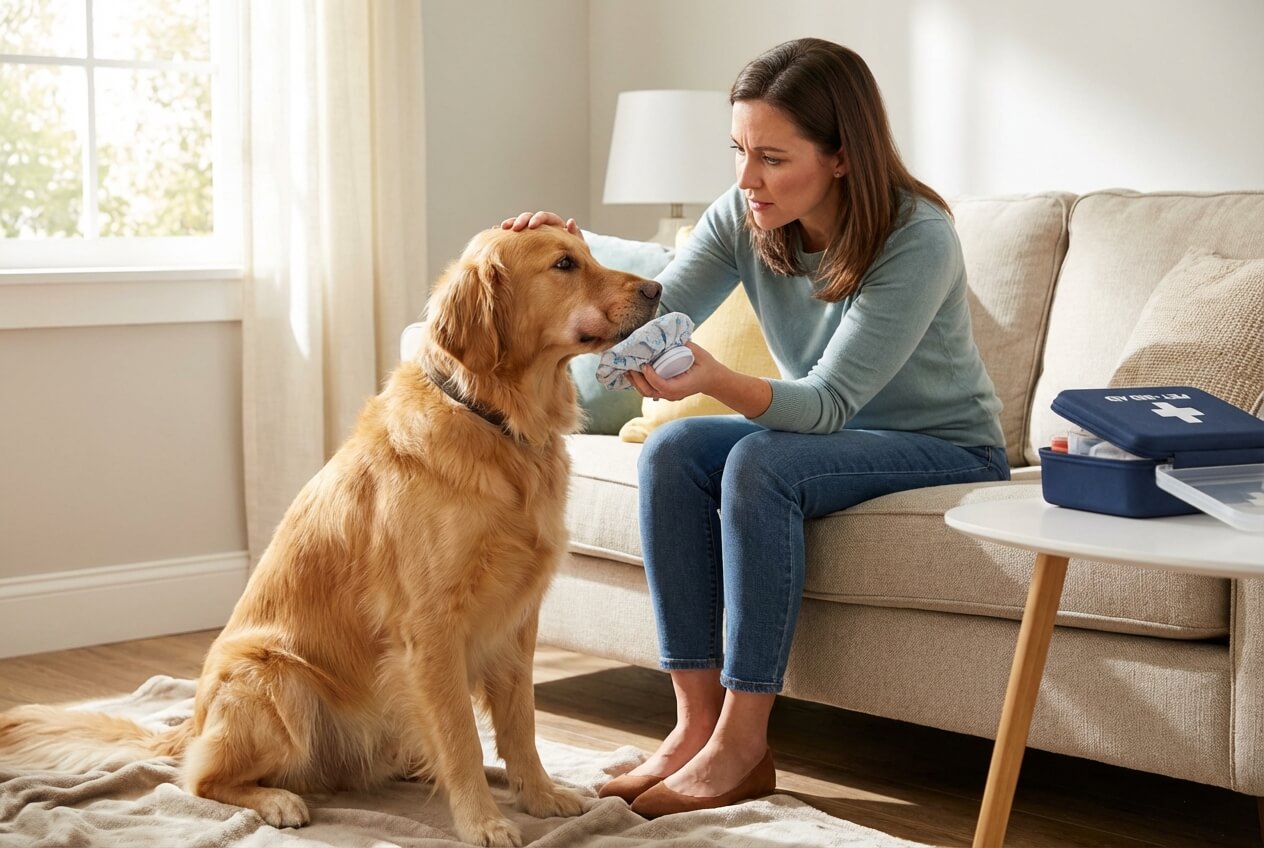

Does your dog seem unable to stop scratching or licking one patch of skin? You might be dealing with hot spots, a painful and frustrating skin problem for both pets and their families. These irritated, inflamed areas can appear suddenly and worsen quickly, especially if your dog keeps chewing or licking the same spot over and over again.
For families in Plymouth Meeting, PA, hot spots on dogs are something veterinarians see all the time. The good news is that most dogs can be made much more comfortable once the cause is identified and treated. By understanding what drives this skin issue and how everyday habits can make it better or worse, you can play a big role in protecting your dog’s skin health.
What Are Hot Spots on Dogs?
Hot spots are areas of inflamed, infected skin that often look red, moist, and sometimes even raw. The fur around the spot may fall out or be clipped away so your veterinarian can see the area clearly. In many cases, these patches are warm to the touch, may ooze clear fluid or pus, and are very painful or itchy for the dog.
Most hot spots begin with something fairly simple: your dog feels itchy, uncomfortable, or irritated in one small area. To get relief, they lick, scratch, or chew that spot. The more they fuss at the area, the more damaged the skin becomes. Bacteria that normally live on the surface of the skin can then take advantage of the broken barrier and cause an infection.
Because hot spots are so uncomfortable, the cycle of itch–scratch–damage–infection can move surprisingly fast. A patch that looked mild in the morning can look much worse by evening. That is why prompt attention from a veterinarian is so important when you notice changes in your dog’s skin.
Why Dogs in Plymouth Meeting May Be Prone to Hot Spots
Dogs in Plymouth Meeting experience a mix of warm, humid months and cooler seasons. Changes in temperature and moisture levels can affect the skin and coat, especially in dogs with thick fur, underlying allergies, or less-than-perfect grooming routines. Fleas and other parasites can also become more active at certain times of year, leading to more itching and more chances for hot spots to develop.
Additionally, many dogs here enjoy a combination of indoor comfort and outdoor activity. Trips to parks, hikes, or playtime in the yard mean more exposure to grass, pollen, insects, and other potential triggers. When you add in normal stressors like schedule changes, guests, or thunderstorms, you can see how a dog’s skin might be under more pressure than it seems at first glance.
Common Causes of Hot Spots on Dogs in Plymouth Meeting, PA
Although every dog is different, there are several patterns veterinarians notice again and again when examining hot spots on dogs in Plymouth Meeting, PA. Understanding these common causes can help you spot potential problems earlier and make changes that reduce the risk of flare-ups.
Allergies and Constant Itching
Allergies are one of the most frequent underlying reasons dogs develop hot spots. Anything that makes your dog feel itchy can set the stage for this problem. Your pet may be reacting to pollen in the air, dust in the home, certain ingredients in food, or even flea bites. Some dogs also develop contact allergies to things like cleaning products, grasses, or certain fabrics.
When a dog is allergic, the skin often becomes inflamed and itchy across larger regions of the body. But your pet may focus licking or chewing on one spot that feels particularly irritating—such as a paw, flank, or base of the tail. Over time, the repeated licking breaks down the skin and invites bacteria to move in, creating that classic moist, painful hot spot.
If your dog seems to have frequent ear infections, chronic paw licking, or seasonal itching, allergies could be playing a role in their skin problems. Talk with your veterinarian in Plymouth Meeting, PA about whether allergy testing, a change in diet, regular flea prevention, or medication to control itching might make hot spots less likely to appear.
Tangled Fur and Poor Coat Care
Dogs with thick coats, undercoats, or longer hair are especially vulnerable when their fur is not brushed and cared for regularly. Mats and tangles can form close to the skin, trapping moisture and dirt. These matted areas can rub, pinch, and tug, making the skin beneath them sore and irritated.
If a dog starts chewing at a mat because it feels uncomfortable, the skin underneath can quickly become damaged. Since the fur is clumped together, the area dries slowly after swimming, baths, or even a walk in the rain. A warm, damp pocket of skin is the perfect environment for bacteria to grow and a hot spot to form.
Regular grooming is one of the easiest ways to help prevent these problems. Brushing your dog’s coat to remove loose fur, scheduling professional grooming when needed, and making sure your dog is thoroughly dried after getting wet all protect the skin. If you are unsure how often your particular breed or mix should be groomed, your veterinarian at The Village Vets Plymouth Meeting can offer guidance tailored to your pet.
Boredom, Stress, and Anxiety
Emotional health and skin health are more closely linked than many people realize. Dogs that are bored, anxious, or stressed may develop habits like licking their paws, chewing their legs, or biting at their flanks. At first, this may be a small coping behavior, similar to how some humans bite their nails. But over time, it can become obsessive and cause real damage to the skin.
Common triggers include being left alone for long periods, changes in the household, lack of mental stimulation, or fear of loud sounds such as fireworks and thunderstorms. A dog that spends much of the day with nothing to do may start licking simply because it is one of the few activities available, and the behavior can be very hard to break once it becomes routine.
If you suspect boredom or stress are contributing to hot spots on your dog, consider adding more enrichment to their daily life. Food puzzles, training games, safe chew toys, and regular walks can all help. In some cases, working with a trainer or behaviorist and your veterinarian in Plymouth Meeting can give you a plan to reduce anxiety and protect your dog’s skin from self-inflicted damage.
Existing Skin Infections
If your dog already has a skin infection—whether caused by yeast, bacteria, or parasites like mites—the risk of hot spots increases significantly. The skin is already inflamed and compromised, making it easier for a small area of irritation to turn into a more serious lesion.
For example, a dog with chronic skin infections may scratch or rub a specific area that feels particularly sore or itchy. The combination of inflamed skin and constant trauma from scratching allows an infection to expand rapidly. Before long, that single spot can become a painful, oozing hot spot that needs professional treatment.
When your veterinarian prescribes a course of medication for a skin infection, it is important to follow the instructions exactly, even if your dog looks better before the treatment is finished. Stopping too soon can allow the problem to come back stronger and can make hot spots more likely in the future. Your vet in Plymouth Meeting, PA may also recommend medicated shampoos or topical treatments to help keep your dog’s skin as healthy as possible.
Pressure Sores in Older or Less Mobile Dogs
Senior dogs or pets with mobility issues sometimes develop pressure sores, particularly on bony areas like elbows or hips. These sores occur when a dog spends long periods lying in the same position, especially on hard surfaces. Over time, the pressure reduces blood flow and damages the skin.
Once a pressure sore forms, it can be painful or itchy, causing the dog to lick or chew at it. That repeated licking can turn a pressure sore into a hot spot, adding infection on top of an already uncomfortable problem. This situation is especially common in older, arthritic dogs that have difficulty shifting positions or getting up frequently.
Soft, supportive bedding can help reduce the risk of pressure sores and the hot spots that may follow. Orthopedic beds, extra padding in favorite resting areas, and help with standing or walking can all make a difference. If you notice any hairless, callused, or reddened areas on your dog’s joints, it is a good idea to have them examined at The Village Vets Plymouth Meeting before they worsen.
Bug Bites and Stings
Even non-venomous insect bites and stings can trigger hot spots on dogs. A single bite from a flea, mosquito, or other insect can be intensely itchy or briefly painful. Many dogs respond by licking or chewing the area repeatedly in an attempt to soothe it. Unfortunately, that response often has the opposite effect and leads to broken skin.
Once the skin surface is damaged, bacteria can easily enter and cause an infection, especially if the area stays moist. Dogs that spend time outdoors in grassy or wooded areas are naturally more exposed to biting insects, but even yard time or walks around Plymouth Meeting can be enough to cause trouble for a sensitive pet.
If you notice that your dog has been bitten or stung and you have ruled out an emergency such as a venomous bite or a severe allergic reaction, you can use a cool compress to help reduce the irritation. Always dry the skin and coat thoroughly afterward. Consistent flea and tick prevention, along with talking to your veterinarian about other ways to protect against insects, can help lower the risk of hot spots forming after bites or stings.
How to Help Your Dog When You Notice a Hot Spot
If you suspect your dog has a hot spot, it is important not to ignore it or assume it will clear up on its own. These lesions can progress quickly and become quite painful. The first step is to contact your veterinarian in Plymouth Meeting, PA to schedule an exam so the area can be properly evaluated and treated.
Your veterinarian will typically trim or shave the fur around the hot spot to expose the full extent of the lesion and allow air to reach the skin. They may clean the area, prescribe topical or oral medications to control infection and inflammation, and recommend ways to prevent your dog from licking while it heals. This might include using an e-collar or other protective device for a short period.
Resist the urge to apply home remedies or over-the-counter creams without guidance. Some products that are safe for humans are not safe for pets, and others may trap moisture against the skin, making the problem worse. Following your vet’s instructions is the safest and quickest way to give your dog relief.
Preventing Future Hot Spots on Your Dog
Once a hot spot has been treated, prevention becomes the next goal. Regular grooming, including brushing and appropriate bathing, helps keep the coat clean and free from mats that can trap moisture. Keeping your dog dry after swimming, rain, or baths is equally important, especially in areas where the fur is thick or dense.
Year-round parasite control is another key step in preventing hot spots on dogs. Fleas, ticks, and other insects do more than just cause itching—they can start the chain of events that leads to damaged skin and infection. Your veterinarian can recommend safe and effective preventive products based on your dog’s lifestyle and health.
Supporting your dog’s emotional well-being also plays a role. Providing mental stimulation, interactive play, and a predictable routine can lessen the likelihood that your dog will develop stress-related licking or chewing habits. For older dogs or those with mobility issues, investing in comfortable bedding and discussing pain management options with your vet can reduce pressure sores and the hot spots that may follow.
When to Call The Village Vets Plymouth Meeting
Hot spots may not be dangerous in the same way as some emergencies, but they are far from minor. They are painful, can be difficult to clear up without proper care, and sometimes signal deeper issues such as allergies, chronic infections, or stress. The sooner you intervene, the more comfortable your dog will be and the less chance the problem has to worsen.
If you notice a red, moist, or oozing patch on your dog’s skin, or if your dog suddenly becomes obsessed with licking or chewing one small area, it is time to reach out for help. The team at The Village Vets Plymouth Meeting is here to examine your dog, identify the underlying cause, and create a treatment plan to address both the hot spot and the factors that led to it.
By working closely with your veterinarian and paying attention to your dog’s skin, coat, and behavior, you can greatly reduce the risk of future hot spots. A little extra awareness today can mean a more comfortable, happier life for your dog tomorrow.