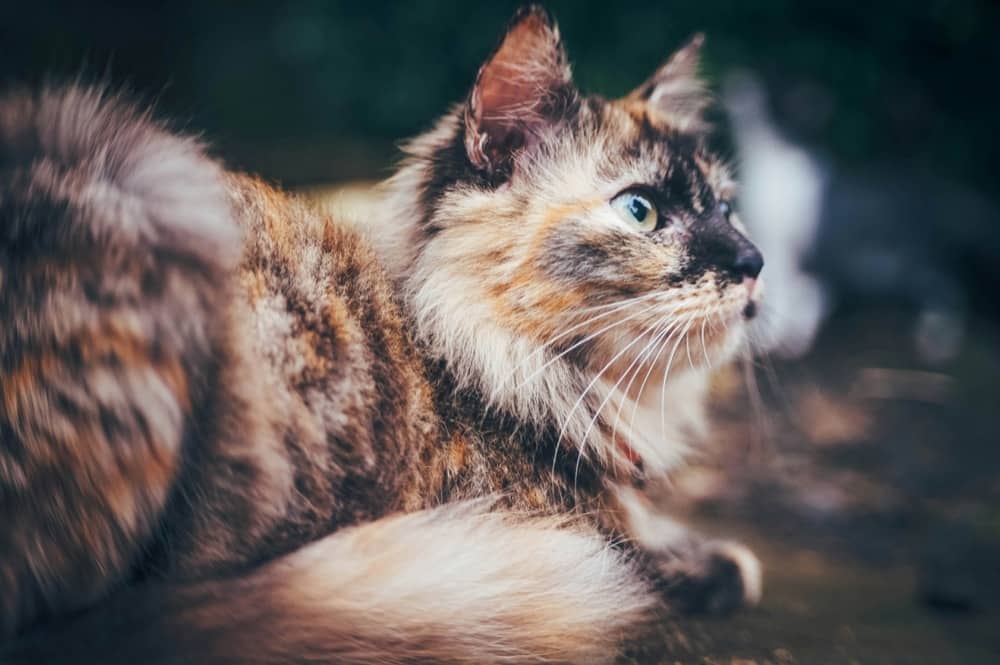

Have you ever curled up with your cat and listened to that soft, rhythmic hum coming from her chest? It’s one of the most comforting sounds in the world, but have you ever stopped to wonder why cats purr in the first place? While purring often means a cat is happy, that’s not the whole story. Cats actually use this soothing vibration for many different reasons—some joyful, some instinctive, and others surprisingly complex.
Let’s explore the fascinating world of cat purring so you can better understand your furry friend’s moods, needs, and ways of communication.
Comfort and Contentment
The most familiar reason behind purring is pure comfort. When cats are relaxed—snuggled on a favorite blanket, resting on your lap, or basking in a sunny spot—they often start to purr. This gentle sound reflects their calm state, like a sigh of satisfaction.
If your cat begins purring while kneading a soft surface or dozing beside you, it’s her way of showing that she feels safe, happy, and fully at ease. This type of purring usually comes with other signs of relaxation, such as slow blinking, a softly swishing tail, and half-closed eyes.
A Sense of Safety
Closely related to comfort, purring also signals feelings of safety and security. From the time they are tiny kittens, cats associate the low vibration of their mother’s purr with warmth and protection. As they grow, that instinct remains.
Adult cats may purr when they’re in familiar surroundings or tucked away in their favorite hiding spot. The sound is a form of self-reassurance—reminding them that they’re in a safe, predictable space. When your cat curls up in her bed and starts to purr, she’s reliving that early sense of trust and comfort.
A Clever Way to Ask for Something
Cats are smarter than we often give them credit for. Many have figured out that purring can get them what they want—especially from their humans.
If your cat starts to purr insistently around mealtime or near her treat jar, she’s probably using her “solicitation purr.” Studies have shown that this kind of purr includes a higher-pitched tone mixed with the usual rumble, mimicking a baby’s cry to trigger a nurturing response in humans. In short, your cat knows that purring sweetly at the right moment often leads to food, playtime, or cuddles.
Once you respond, she learns that purring gets results—making it part of her daily communication routine.
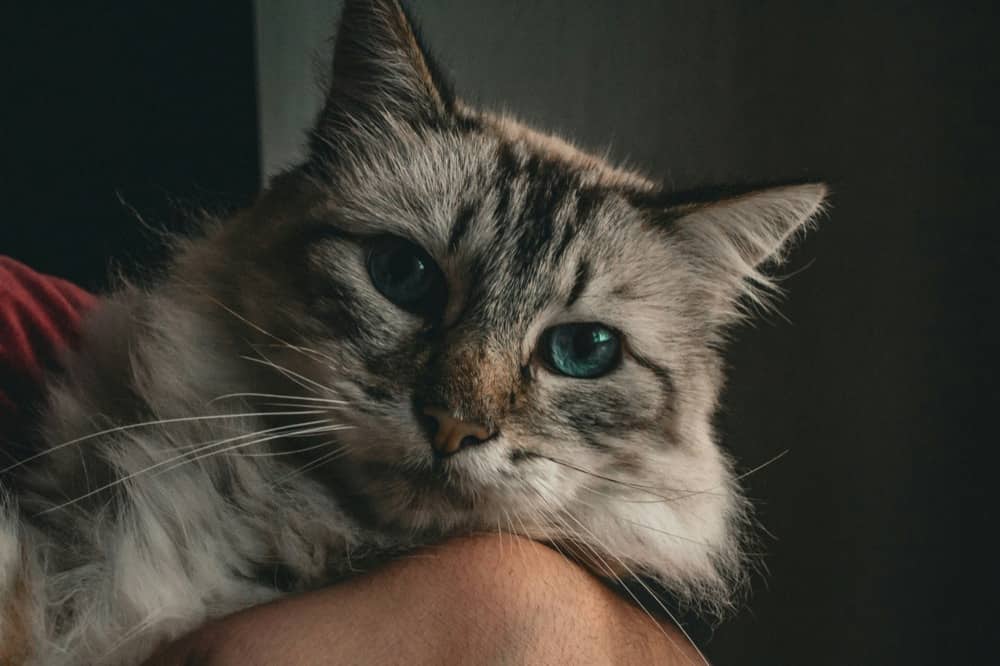
Showing Affection to Other Cats
In multi-cat households, purring can also act as a peace signal. Cats that trust and enjoy each other’s company will often purr while grooming, napping, or simply sitting close together. It’s their way of saying, “We’re friends, not foes.”
A cat’s purr helps maintain harmony in shared spaces and strengthens social bonds. Kittens do this naturally with their littermates, and adult cats continue it throughout life when they form positive relationships with other felines.
Communicating Love to Humans
Of course, cats don’t save all their affection for other cats—they also purr to connect with their humans.
When your cat purrs while you pet her or talk to her, it’s a sign of emotional connection. The vibration communicates appreciation and trust, showing that she enjoys your presence. Some cats even purr while playing, as if to say, “This is fun, and I’m happy you’re part of it.”
In their eyes, humans are simply big, clumsy cats—part of the same family group. Purring is how they let you know you belong.
Purring as Self-Soothing During Pain
Although most purring is positive, cats sometimes purr when they’re injured, sick, or anxious. It might sound strange, but this behavior serves a biological purpose. Purring produces vibrations within a frequency range (around 25 to 150 Hz) that has been shown to promote healing in bones and tissues.
When cats purr while in pain, they’re instinctively helping themselves recover. The sound may lower stress levels, ease breathing, and stimulate healing. Think of it as a built-in form of physical therapy and emotional comfort.
If your cat purrs but also seems lethargic, avoids food, or hides more than usual, it’s best to check with your veterinarian to rule out illness or discomfort.
How Purring Strengthens the Human-Cat Bond
Understanding why cats purr helps you read their emotions more accurately. When you recognize the difference between a happy, relaxed purr and a stressed or needy one, you can respond more appropriately—strengthening your connection in the process.
Try sitting quietly next to your cat when she starts to purr. Let her feel your calm presence. Speak softly or gently stroke her back. This shared moment of peace can deepen trust and create a sense of mutual comfort that words could never achieve.
Final Thoughts: The Many Meanings of a Purr
Purring is one of nature’s most soothing sounds—and one of the most complex. Cats purr when they’re content, when they feel safe, when they want something, or even when they need to heal. It’s a universal signal that tells us what words cannot: “I’m here, I trust you, and I feel connected.”
So, the next time you hear that gentle vibration from your cat, take a moment to appreciate it. Whether it’s gratitude, comfort, or love, it’s her special way of speaking directly to your heart.